
No products in the cart.
Return To Shop





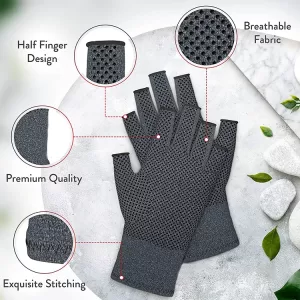
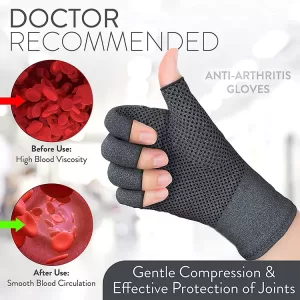

Compression Gloves with grips for Arthritis
£13.99
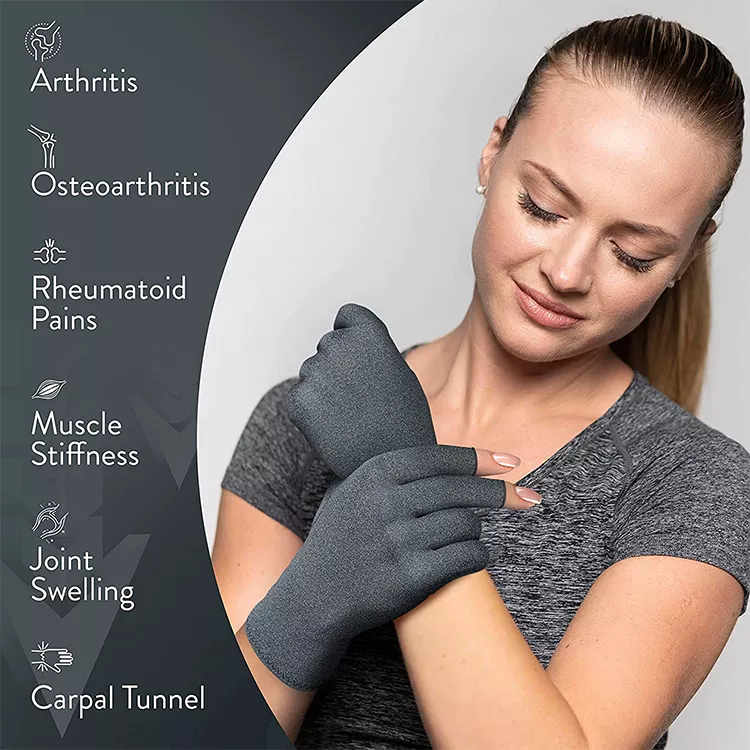
- Lightweight compression gloves designed for painful, stiff or swollen arthritic hand joints.
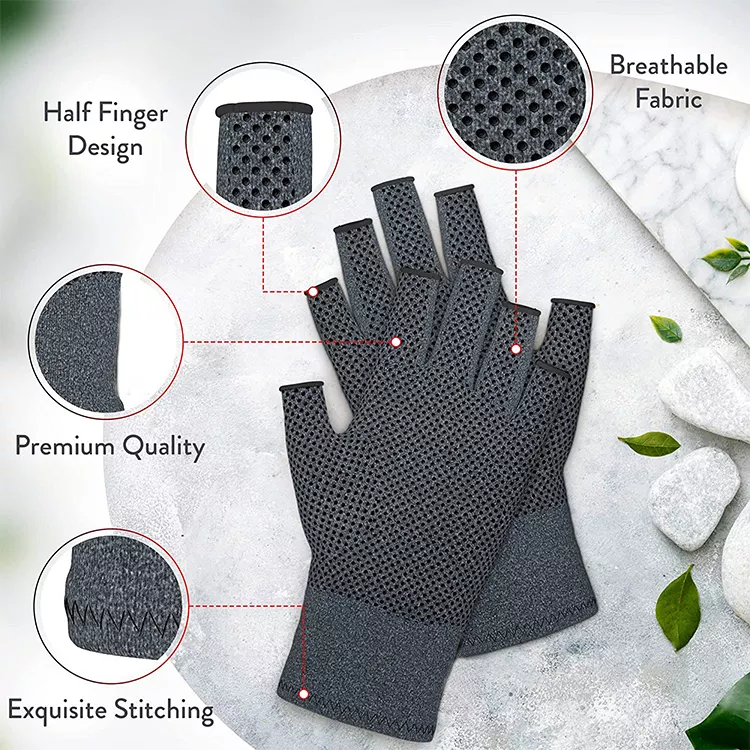
- Made from a soft, breathable cotton-based blend that stays comfortable against sensitive skin.
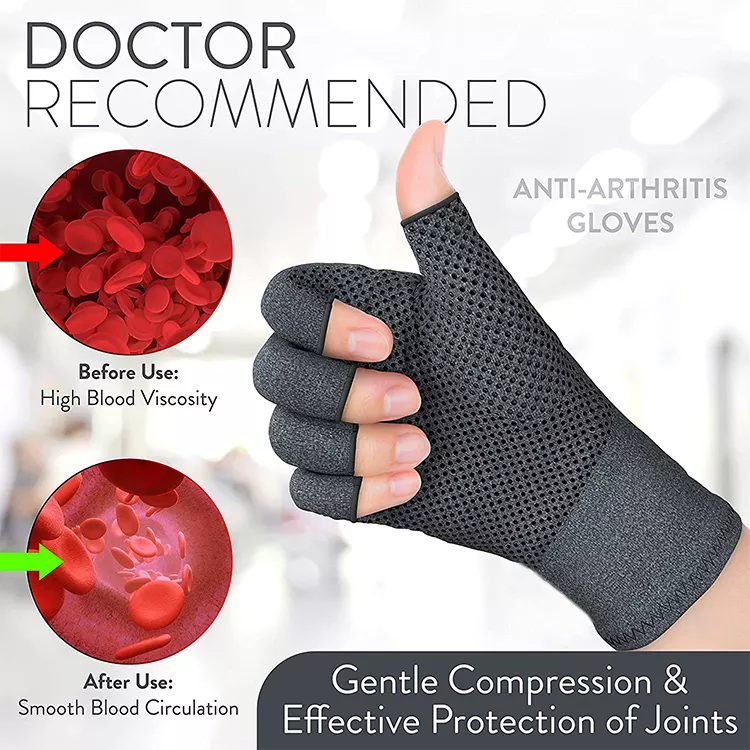
- Gentle, even compression helps calm swelling and reduce tightness around the small finger joints.
- Steady support for the fingers, thumb and wrist, which can make gripping and pinching feel less tiring.
- Helps keep hands warm, easing the ‘rusty’ stiffness that is common in the morning or in cold weather.
- Slim, low-bulk fit means you can carry on typing, writing, using tools and doing fine tasks while wearing them.
- Improved awareness of hand position encourages smoother, more controlled movements in daily life.
- Soft fabric cushions tender knuckles and bony bumps from knocks and contact with hard surfaces.
- Moisture-wicking fibres draw sweat away from the skin, so the gloves stay comfortable during longer wear.
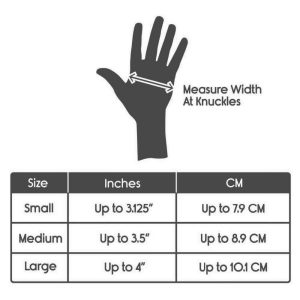
- Available in Small, Medium and Large; measure around the widest part of the hand below the knuckles to choose your size.
- Can be worn through the day, in the evening, or overnight to help ease stiffness and swelling.
- Start with short wearing periods of an hour or two and build up gradually as your hands adjust.
- A practical daily aid for arthritic hands – not a cure, and not a replacement for medical treatment.
- Check with a GP or physiotherapist before using if you have circulation problems, recent hand surgery or open wounds.
Arthritis Compression gloves to support arthritic hands and fingers
From RevitaFit: gentle, breathable support for painful, stiff joints, designed to make everyday hand use easier.
Painful, stiff hands can quietly take over far more of the day than most people expect.
It starts small. Turning a key in the front door takes a little more effort. Opening a jar requires a second attempt. Lifting a full kettle makes you wince. Using your phone, typing an email, steering a car, fastening buttons – all of these depend on the same delicate machinery: a steady grip, a controlled pinch, and fingers that bend and straighten smoothly, without protest.
When the small joints in your fingers, thumb and wrist are arthritic, that smooth machinery starts to sputter. Mornings are usually the worst. Your fingers feel thick and sore, as if they have forgotten how to cooperate. They need a warm-up before they will listen. Later in the day, after typing, cooking, gardening or any job that asks for repeated gripping, the knuckles begin to ache and throb. A heaviness settles into your hands. You find yourself putting off certain tasks – not because you do not want to do them, but because you remember how your joints felt the last time.
Arthritis does this. Inside the small joints, changes in cartilage, joint lining and surrounding soft tissues increase pressure and irritation. The body responds with swelling and protective muscle tension. That changes how easily your hands move, and how confident you feel using them.
These RevitaFit compression gloves are designed for exactly this situation. They provide light, even pressure and gentle support around the small joints of the hand, using a soft, breathable fabric that you can comfortably wear through the day or evening. The point is not to cure arthritis – nothing can do that. The point is to take the edge off pain and swelling, help stiff fingers move more freely, and give your hands a steadier, more supported feel during the ordinary tasks that make up your life.
To understand why they can help, it is worth looking at what is actually happening inside an arthritic hand joint.
What arthritis does to the small joints of your hands
‘Arthritis’ is an umbrella term. It simply means joint disease. But the different types that affect the hands behave very differently, and each one places its own strain on the joints you depend on for almost every movement.
Osteoarthritis in the hands
Osteoarthritis is often described as ‘wear and tear’, but that phrase misses the truth. In the hands, it is a gradual change in the structure and behaviour of the small joints.
It commonly affects the joints near the fingertips, the middle finger joints, and the base of the thumb where it meets the wrist.
In a healthy joint, smooth cartilage – the body’s natural shock absorber – covers the ends of the bones, letting them glide over one another with almost no friction. With osteoarthritis, that cartilage gradually becomes thinner and less even. The body may lay down extra bone around the edges of the joint, creating bony lumps and narrowing the joint space.
Once the cartilage thins, movements that used to glide now create friction and pressure on the joint lining. That extra friction is exactly why the joint feels sore when you grip or pinch. And because the joint space has narrowed, the soft structures around it – ligaments, tendons and the joint capsule – have less room to move, which makes stiffness worse, especially first thing in the morning.
People with osteoarthritis in the hands typically notice aching or soreness in the fingers and thumb, especially after use. Stiffness is often worst in the morning or after a period of rest. Grip strength may drop, so jar lids, taps and door handles feel harder to manage. You might hear or feel occasional grating or clicking when you move your fingers, and over time visible bony bumps can develop at the finger joints.
When the base of the thumb is involved, even something as simple as turning a key or holding a phone becomes uncomfortable, because the thumb joint is the workhorse of every pinch and twist. It takes the heaviest load whenever you grip anything round, and it is rarely given a rest through the day.
Rheumatoid arthritis affecting the hands
Rheumatoid arthritis is a different story. It is an autoimmune condition, where the body’s own immune system mistakenly attacks the lining of joints. In the hands, it often targets the small finger joints, the joints where the fingers meet the hand, and the wrists.
The thin tissue lining these joints – the synovium – becomes inflamed and thickened. It produces extra fluid and chemical signals that drive swelling and pain. The inflamed lining presses on cartilage and bone, and stretches the surrounding capsule and ligaments.
As that lining thickens and fills with fluid, pressure builds inside the joint. The pressure stretches sensitive tissues and makes bending and straightening the fingers painful and tiring – especially after rest. It is rather like a balloon that is already over-inflated: any additional squeeze from a bend or grip is felt immediately.
People with rheumatoid arthritis in their hands often experience hot, swollen, tender joints in the fingers and hands. Morning stiffness can last an hour or more before the hands ‘loosen up’. There is often a feeling of fullness and pressure in the joints when gripping, which turns fine tasks like fastening buttons or handling coins into an ordeal. Making a tight fist or holding a grip for long can be difficult, and flares – periods when pain and swelling worsen for a while – often come with general fatigue.
Over time, if inflammation is not well controlled, the joints themselves can become damaged and the fingers may begin to drift or change shape. Medical treatment is central to managing this condition. But in day-to-day life, there is still a pressing need for practical support that makes using the hands less stressful.
Psoriatic arthritis in the hands
Psoriatic arthritis is another inflammatory arthritis, closely linked with the skin condition psoriasis. It can affect many joints, but the hands and fingers are among the most common sites.
In the hands, psoriatic arthritis can inflame the small joints of the fingers and thumb, cause whole fingers to swell in a sausage-like way, and irritate the places where tendons attach to bone around the joints.
Because the joint lining and tendon insertions are inflamed, bending or straightening your fingers tugs on tissues that are already raw. This leads to swollen, tender, sometimes warm fingers; difficulty bending or straightening the fingers fully; and pain when gripping, pinching, or holding objects for any length of time. Skin changes such as dry, flaky or scaly patches can also appear around the knuckles or on the backs of the hands.
Again, medication and specialist care are essential. Alongside that, people need gentle, non-irritating support they can tolerate on tender joints and sensitive skin.
Gout affecting the hand and wrist
Gout is caused by a build-up of uric acid in the blood, which can form sharp crystals inside joints. Everyone knows it for the big toe, but it also strikes the wrists, fingers and other parts of the hand.
A gout attack in a hand or wrist joint typically comes on suddenly, sometimes overnight. It causes severe pain, with even light touch feeling unbearable. The joint becomes markedly swollen, warm and tender, and moving it can be extremely uncomfortable or impossible.
The needle-shaped crystals irritate the joint lining and trigger a strong inflammatory reaction. That is why the area becomes so hot, swollen and tender.
During an acute attack, rest and medical treatment are the priority – compression is not appropriate at that stage. But once the sharpest phase settles, there is often a lingering period where the joint is still mildly swollen and tender, and confidence in using the hand is low. People become wary of sudden movements or knocks. That is when gentle, non-restrictive support can help the hand feel more protected and secure, as movement is gradually increased again.
Why everyday tasks make arthritic hands feel worse
No matter which form of arthritis you have, the same handful of mechanical factors explains why ordinary tasks leave your hands aching, stiff or throbbing.
Swelling and pressure in small spaces
The joints of the fingers and thumb are tiny. There is only so much room inside them. When arthritis triggers inflammation, extra fluid and thickened lining take up that space, increasing the pressure within the joint.
Now bend or straighten that swollen joint. The movement squeezes the irritated tissues. That squeezing is what makes the joint feel tight, full and sore – especially in positions that close the joint space, such as a tight fist or a firm pinch. Even a light grip around a pen or a fork squeezes those swollen tissues far more than you might expect.
Stiffness after rest
Why is stiffness always worst first thing in the morning, or after sitting still for a while? When your hands are at rest, joint fluid and tissues settle, and the surrounding muscles and soft tissues cool and gently tighten.
The first few bends of your fingers push that fluid around and stretch tissues that have shortened slightly. That is why the initial movements are the most uncomfortable – and why things gradually ease as the joints ‘warm up’. The same pattern explains why stiffness returns after sitting through a long meeting or a film: the joints have been still for too long, and they need to be coaxed back into motion.
Repeated gripping and pinching
Typing, using a mouse, preparing food, gardening, using tools, doing hobbies – they all involve repeated gripping and pinching. Each action loads the same small joints and tendons over and over.
In an arthritic joint, whose lining is already sensitive, this repetition irritates the joint surfaces and lining, demands extra work from the small muscles and tendons that stabilise the joints, and leads to a predictable build-up of ache, heaviness and fatigue later in the day.
The effect is cumulative. A morning of gardening might not trouble you at the time, but by late afternoon the irritation has built into a dull, throbbing ache. You are effectively running a tab of joint irritation that comes due at the end of the day.
Changes in joint alignment and stability
Over time, arthritis can subtly change the shape and alignment of your joints. That means the forces moving through your fingers and thumb are no longer distributed the way they used to be. Some joints end up taking more strain than before – especially in grip and pinch positions.
As a result, movements like turning jar lids, squeezing bottles or twisting taps send more force through joints that are already under pressure. That extra force becomes extra irritation, which becomes extra pain.
Sensitivity to cold
Cold makes arthritis worse, and you have probably noticed it. In cold weather or a cold room, blood flow to the skin reduces, and the soft tissues around joints tighten and lose flexibility.
Warmth, within reason, has the opposite effect: it helps tissues move more easily and reduces that ‘rusty’ feeling when you first start to move. Keeping your hands covered, even with a thin layer of fabric, slows heat loss and helps avoid that stiffening response.
Taken together, these factors mean that inflamed, arthritic hand joints are under almost constant low-level stress during daily life. The role of a good pair of compression gloves is not to wave a wand and cure arthritis. It is to reduce some of this unnecessary strain, calm swelling, and make movement easier to live with.
How compression gloves help arthritic hands
A well-designed pair of compression gloves supports arthritic hands by working directly on those mechanisms. Here is how the RevitaFit gloves go about it.
Even compression to calm swelling and tightness
The gloves provide a light, even layer of compression across your hands and fingers. That gentle, constant pressure helps limit the build-up of fluid in and around the joints. It also supports the normal return of fluid through the veins and the lymphatic vessels – the tiny drainage channels that help clear excess fluid from your tissues – so fluid is less likely to pool around the knuckles and finger joints.
With less fluid pressing on sensitive joint tissues, bending and straightening your fingers feels less tight and uncomfortable. Everyday actions – making a loose fist, holding cutlery, gripping a steering wheel – become smoother when your joints are not full of excess fluid. The compression is doing what a gentle squeeze does to a sponge: it encourages fluid to move along rather than sitting where it causes trouble.
Positional cues and better joint awareness
Covering your fingers, knuckles and the base of the thumb with a snug, flexible fabric gives your brain more feedback about where those joints are and how they are moving. This improved body awareness – known as proprioception – has very practical effects.
When you wear the gloves, joints feel supported rather than exposed. The gentle resistance of the fabric reminds you when you are approaching the end of your comfortable movement range, so you naturally use smoother, more controlled movements instead of sudden, forceful twists or grips.
Over time, that translates into better hand habits. Instead of forcing a jar lid open with maximum effort or clamping your hand around a tool as hard as you can, you find yourself using slightly softer, more joint-friendly movements. That means fewer sharp jolts to already-irritated joints and less aggravation by the end of the day.
Gentle support for tired soft tissues
The small muscles in your hands and forearms work constantly to keep your joints steady when you grip, lift and carry. When arthritis makes joints less stable, those muscles have to contract harder and for longer just to keep everything aligned.
The gloves wrap your hand in a close, supportive sleeve. This reduces some of the sideways movement in your joints as you move, gently steadies the ligaments and tendons that span the joints, and lets your muscles work a little less hard to maintain control.
This is not a rigid brace, and it will not replace muscle strength. But it does take the edge off that constant sense of overwork. Many people find their hands feel less heavy and tired at the end of a busy day when they have had this extra layer of support.
Mild warmth for easier movement
The RevitaFit gloves use a breathable, moisture-wicking fabric that keeps your skin comfortable and dry. But simply covering your hands still reduces heat loss from the skin’s surface. That small increase in warmth is important for arthritic joints.
The collagen-rich tissues around the joints become more pliable, stiffness after rest eases more quickly, and fingers feel more willing to bend and straighten, especially in the morning or after sitting still. Because the fabric lets air circulate and draws moisture away from the skin, this warmth is gentle – not stifling. The breathable material avoids overheating while still retaining some body heat, so you get the benefits of a comfortable hand covering without the clammy, overheated feeling that makes thicker gloves unbearable after an hour.
Protection from friction and minor knocks
Sore joints, bony enlargements and thin, sensitive skin over the knuckles are easily irritated by everyday contact. Resting your hand on a hard desk, brushing against a door frame, holding a rough tool handle – all of that adds to the discomfort.
A thin, soft fabric layer reduces direct friction over tender areas, softens the impact of minor bumps, and makes it more comfortable to rest your hand on firm surfaces like steering wheels or worktops. This is especially useful if osteoarthritis has created visible bony bumps, or if inflammatory arthritis has left the skin and underlying tissue feeling bruised and delicate.
What makes RevitaFit compression gloves different
Plenty of people have tried cheap gloves or simple warmers and been disappointed. They are often too bulky to do fine tasks in, too hot to wear for any length of time, or so loose that they do not actually do anything. RevitaFit gloves were designed to avoid those problems, with the needs of real arthritic hands in mind.
A fabric that’s kind to sensitive skin
The material starts with a soft, cotton-based blend. Cotton is naturally gentle against the skin, without the scratchy feel of many synthetic fibres. But the designers did not stop there.
Moisture-wicking fibres actively draw sweat away from your skin, so your hands stay drier and more comfortable even if you wear the gloves for several hours at a time. The construction is breathable, allowing air to circulate and preventing the build-up of heat and dampness inside the glove.
This matters because damp, overheated skin under a glove is a recipe for irritation and rashes – particularly if your skin is already fragile from arthritis or medication. Comfortable, breathable fabric is what makes it possible to keep the gloves on for long enough to actually see whether they help.
Compression that supports without strangling
The goal of these gloves is steady, supportive compression – not tight bandaging. RevitaFit deliberately chose a light-to-moderate compression level. That means the gloves are snug enough to provide even pressure across your hand and fingers, light enough not to dig into your skin or leave sharp ridges, and flexible enough to allow you to fully bend and straighten your fingers, make a fist, and carry on with most everyday tasks.
The intention was not to create a glove so tight that it restricts circulation or leaves deep marks. It was to create a glove that feels supportive, the way a good pair of socks feels on tired feet – present, but not punishing.
If you have known circulation problems in your hands or a complex medical condition affecting blood flow, you should always check with a clinician before using any compression garment. But for the vast majority of people, this level of compression is comfortable for extended wear.
Lightweight and low-bulk for real-world use
Compression gloves only help if you can actually use your hands while wearing them. Stiffer, bulkier supports may offer firmness, but they make fine tasks almost impossible. You end up taking them off every ten minutes, which defeats the purpose.
RevitaFit gloves are lightweight and slim, so you can still feel and handle everyday objects. They are thin enough to slip under many types of outer gloves, including thermal gloves in cold weather, and discreet enough to wear in public or at work without drawing attention.
On colder days, they work particularly well as glove liners. The inner layer provides compression and support, while an outer thermal glove keeps out the cold. This two-layer approach is a natural fit for people whose arthritis is worsened by low temperatures, or who also deal with cold-sensitive conditions like Raynaud’s.
Choosing your size and getting a good fit
A compression glove should feel snug and supportive, not painfully tight or restrictive. Fit is everything – both for comfort and effectiveness.
RevitaFit compression gloves come in Small, Medium and Large, each sized around typical adult hand measurements, with enough stretch to allow for natural variation.
To choose your size, measure around the widest part of your hand, just below the knuckles, excluding the thumb, and match that measurement to the RevitaFit size chart. If your measurement falls between two sizes, the smaller size will feel more supportive and closer-fitting. The larger size offers gentler, less intense compression – a good choice if you have very sensitive skin or simply prefer a looser feel.
Once on, a well-fitting glove should feel evenly snug from your wrist through your hand and over your fingers. It should allow you to fully bend and straighten your fingers without cutting in at the joints, and it should stay in place without rolling at the edges or sliding down.
If a glove size feels uncomfortably tight, causes pins and needles, makes your fingers change colour, or leaves deep marks that do not settle after removal, that size is wrong for you. Size up, or seek advice. And remember: the 30-day money-back promise is there precisely so you are not stuck with a size that does not fit.
How to use your compression gloves in daily life
Compression gloves tend to work best when they become part of your routine, rather than something you only pull out on bad days. The trick is to wear them at the times when your hands are usually most painful or stiff.
Mornings and after rest
For many people, stiffness and pain peak first thing in the morning, or after sitting still for a long time. Put the gloves on shortly after waking, or a little before you know you will need to use your hands heavily. This can help reduce overnight swelling, provide gentle warmth and support as you start to move your fingers, and make that first grip on a mug, a knife or a tap feel less jarring.
If you have been resting during the day, slipping the gloves on for a while can ease the ‘start-up’ discomfort when you begin using your hands again.
During work and household tasks
Repetitive activities are the biggest triggers for arthritic hand pain. Wearing the gloves during jobs that demand a lot of hand use can soften the strain of repeated gripping and pinching during typing, writing, using a mouse or handling paperwork. They can also support your hands and fingers during light kitchen work, folding laundry or cleaning, and make hobbies that rely on fine hand movements – knitting, sewing, painting, playing an instrument – easier to sustain.
The even compression and positional cues of the gloves encourage smoother, more controlled movements through these tasks. That helps reduce the build-up of irritation in joints that are already sensitive.
Evenings and night-time
By the end of the day, many people notice their hands become achier and more swollen. Wearing the gloves in the evening can provide a calming, supported feel as you wind down, help manage puffiness and stiffness that accumulated during the day, and reduce irritation from resting your hands on firm surfaces like furniture or a book.
Some people also benefit from wearing the gloves overnight. If you try this, put them on about half an hour before bed, check that they feel comfortable and not overly tight, and then leave them on through the night. Many find this reduces morning stiffness and swelling. If you experience discomfort, numbness or increased pain, remove them and get advice.
For most people, the best approach is to start with short periods – an hour or two – and gradually build up wear time as your hands adjust to the sensation of compression.
What to expect over the first few days
Do not expect an instant transformation. The first time you put the gloves on, the support and warmth may feel slightly unusual. That is normal. As your hands adjust, the benefits usually show gradually – less swelling by the end of the day, less stiffness when you first start to move, and a subtle sense that your hands are being held and protected.
Some people notice a difference within a day or two. For others, it takes a week or more of regular wear. The most useful pattern is to wear them consistently during the times of day when your hands are at their worst, and to keep that up for at least a week before deciding how well they work for you.
Fitting compression gloves into your wider hand-care plan
Compression gloves are one practical part of looking after painful, stiff hands. They do not replace medical care or medication, and they should not be expected to. What they do is work alongside the steps your clinician probably already recommends.
Most people with arthritis in the hands benefit from some combination of medication prescribed and reviewed by a GP or specialist to calm inflammation and manage pain, simple hand and finger exercises to maintain movement and strength, and a sensible approach to pacing – breaking tasks into shorter periods with brief pauses, rather than doing everything in one sitting. Using tools and utensils with larger, more comfortable handles, so you do not have to grip as tightly, can also make a real difference. So can monitoring how hard and how long you grip or pinch during particular jobs, and protecting your hands from cold, especially in winter or in cool indoor conditions.
The gloves fit neatly into this picture. By steadying the joints and reducing the sense of strain, they can make it easier to do the exercises your physiotherapist suggests, and easier to keep moving through daily tasks without feeling like you are punishing already-sensitive joints. That is what makes them a practical addition – not a replacement – for your usual hand-care routine.
Important information and when to seek help
Compression gloves are generally considered a low-risk option for many adults with hand discomfort. But they should be used sensibly.
Avoid wearing the gloves, or remove them and seek advice, if:
- There is sudden, severe pain in the hand or wrist after a fall, twist or direct blow.
- The hand or fingers look deformed, or you cannot move them as usual.
- There is marked swelling, heat or redness that is not improving or is rapidly worsening.
- You notice new numbness, tingling or weakness in the hand or fingers that does not quickly settle after taking the gloves off.
- The skin under the gloves becomes very sore, blistered or broken.
Speak to a GP, physiotherapist or another appropriate health professional if:
- Hand pain is severe, getting worse, or waking you regularly at night.
- Joints are becoming more swollen, misshapen or difficult to move.
- You are experiencing frequent or intense gout attacks in the hands.
- You have ongoing numbness, tingling or loss of strength in the hand or fingers.
- You are unsure whether compression gloves are suitable for your particular diagnosis or circulation status.
People with known circulation problems, recent hand surgery, open wounds or complex medical conditions should always check with a clinician before using compression gloves.
These gloves are not designed to treat or prevent blood clots and must not be relied upon for that purpose. If you have a history of blood clots, or you are worried about new swelling, warmth or pain in your hand or arm, seek clinical advice.
Other hand conditions these gloves may help with
Alongside arthritis, many people live with other hand problems – repetitive strain, carpal tunnel-type discomfort, gout between flares, chilblains or Raynaud’s. The same features that support arthritic joints – even compression, soft breathable coverage, gentle support and a slim profile – can also offer worthwhile comfort in these situations.
Looking after your gloves
A little care goes a long way in keeping your compression gloves comfortable, shaped and effective for longer.
Wash them regularly according to the care instructions, using a gentle wash cycle and a mild detergent. Air dry them completely before wearing them again. Avoid very hot washes or high-heat drying, because heat can affect the elasticity of the fabric and reduce the compression feel. Skip fabric softeners, as they can reduce the moisture-wicking properties of technical fibres. And check them now and then for signs of thinning or overstretching – compression works best when the fabric still has its natural resilience.
Well-cared-for gloves will continue to provide consistent, comfortable support day after day.
Common questions about wearing these gloves
Do I need to wear both gloves?
You can wear one or both – you choose. Some people only have arthritis in one hand. Others prefer to wear both for balance and to avoid noticing the difference. The gloves are sold in pairs, so you have both when you need them.
Can I wear the gloves overnight?
Yes, many people do. Put them on about half an hour before bed so you can check they feel comfortable, then leave them on through the night. Some people find this helps reduce morning stiffness and swelling. If you wake with numbness, tingling or discomfort, take them off and speak to a clinician for advice.
Will they get in the way when I’m typing, writing or doing fiddly tasks?
The gloves are deliberately slim and lightweight, so most people can carry on with fine tasks while wearing them. The fabric gives enough feedback to help you sense what you are holding, without the bulk of a thicker support. If a task needs very precise fingertip sensation, you can always take them off for a while and pop them back on afterwards.
Can I layer them under thermal gloves or mittens in winter?
Yes – this is one of the best ways to use them in cold weather. The compression layer sits close to your skin, and a thermal outer glove keeps the cold out. This two-layer approach helps people whose hand pain worsens in cold conditions, including those with Raynaud’s.
How do I know if the gloves are too tight?
A well-fitting glove should feel snug but not painful. If you get pins and needles, your fingers change colour, or the gloves leave deep marks that do not fade after you take them off, they are too tight. Try the next size up, or remove them and seek advice if symptoms persist.
How long will the gloves last?
With proper care – gentle washing, air drying, and avoiding fabric softeners – you should get months of regular use. The compression will gradually relax over time. When you notice the gloves no longer feel supportive, it is time for a new pair.
How often should I wash them?
It depends on how often you wear them. If you wear them daily, washing them every few days with a mild detergent and letting them air dry will keep them fresh and maintain their elasticity. Regular washing also stops oils and debris from building up in the fabric, which helps it stay comfortable against your skin.
If you have any other questions or concerns about the product, do not hesitate to contact us. We are here to help you find the right fit and the right approach for your hands.
The bottom line
Living with painful, stiff, swollen hands changes how every day feels. Tasks that used to be automatic now demand thought and effort. You start planning around what your hands can manage, instead of what you actually want to do.
RevitaFit compression gloves are designed to ease some of that burden. Not by promising a cure – that would be dishonest. But by doing what a good pair of gloves can actually do: calm the swelling, steady the joints, keep the hands warm, and gently encourage smoother, less forceful movements. They are not a brace, and they do not replace medical treatment. They are a simple, wearable way to make everyday movements more comfortable, to support the hand-care plan you already have, and to help you keep using your hands with a little more confidence.
If hand pain or stiffness is starting to dictate what you can do in a day, trying a well-fitting pair of compression gloves is a reasonable, low-risk step. Choose your size from the chart, wear them regularly during the times when your hands usually trouble you most, and pay attention to how they feel over the following days.
If the gloves do not feel right or do not help in the way you hoped, the 30-day money-back promise protects you. If they do help, they may become a steady, important part of how you keep your hands going – day after day, through all the tasks that matter to you.
Important general information
The information on this page is general guidance only. It is not a substitute for individual medical advice, diagnosis or treatment. If you are unsure whether compression gloves are suitable for you, or if you have new or worsening symptoms, speak to a GP, physiotherapist or another appropriate clinician. Individual results vary, and no specific outcome can be guaranteed.
| Size | Small, Medium, Large |
|---|
You must be logged in to post a review.
Delivery information
Here at Revitafit we use Royal Mail to deliver all of our orders first class. This means you can rest assured that your items will arrive as fast and safely as possible.
We also believe that delivery costs should be as affordable as possible, so we offer a flat rate postage and packaging fee of just £2.99. This means that no matter how many things you order, you won't be charged extra for delivery.
To get your order to you as quickly as possible we dispatch all orders made before 5pm on working days the same day. If you order after 5pm or on a weekend, don't worry - we'll dispatch your order the next working day.
Not received your order? Sometimes things can go wrong, and orders can get lost or delayed in the post. If this happens to you, please don't hesitate to get in touch with us. We're always here to help, and we'll do everything we can to resolve the issue and get your order to you as soon as possible.
How to return and Item
At RevitaFit, we understand that sometimes things just don't work out. That's why we offer a hassle-free 30 day return policy. We want our customers to be completely satisfied with their purchases, so if for any reason you are not happy with your product, you can return it within 30 days for a full refund.
To ensure a smooth and easy return process, please make sure that the item is in its original condition and packaging. We cannot accept returns for items that have been used or damaged. The customer is responsible for the cost of returning the item, but if the product was faulty or damaged upon arrival, we will cover the postage and packaging costs.
If you simply ordered the wrong size, no need to worry. We will happily exchange the item for the correct size free of charge.
Please note that returning an item does not affect your rights as a consumer. If you have any questions or concerns about our returns policy, please do not hesitate to contact us.
To initiate a return, please send your item along with a note containing your order number to our address: RevitaFit UK, 81 Highfield Lane, Waverley, Rotherham, S60 8AL. We will process your return as soon as possible and issue your refund within 7-10 business days.

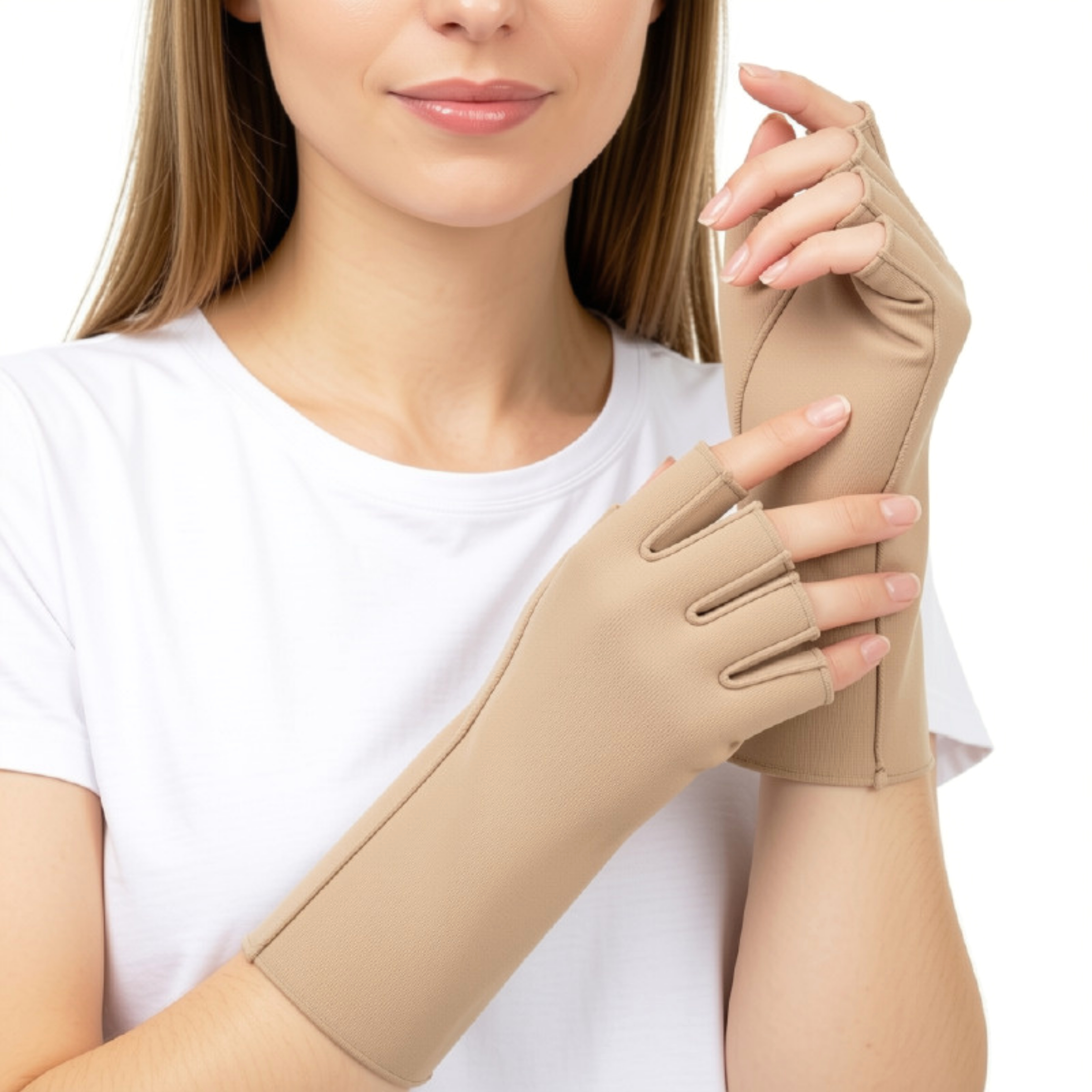 Compression Gloves with grips ...
 £13.99
Reviews
There are no reviews yet.