
No products in the cart.
Return To ShopUp to 23%


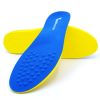
Orthotic Arch Support Insoles for Flat feet & High arches
Original price was: £12.99.£9.99Current price is: £9.99.
- Do your arches need more support?
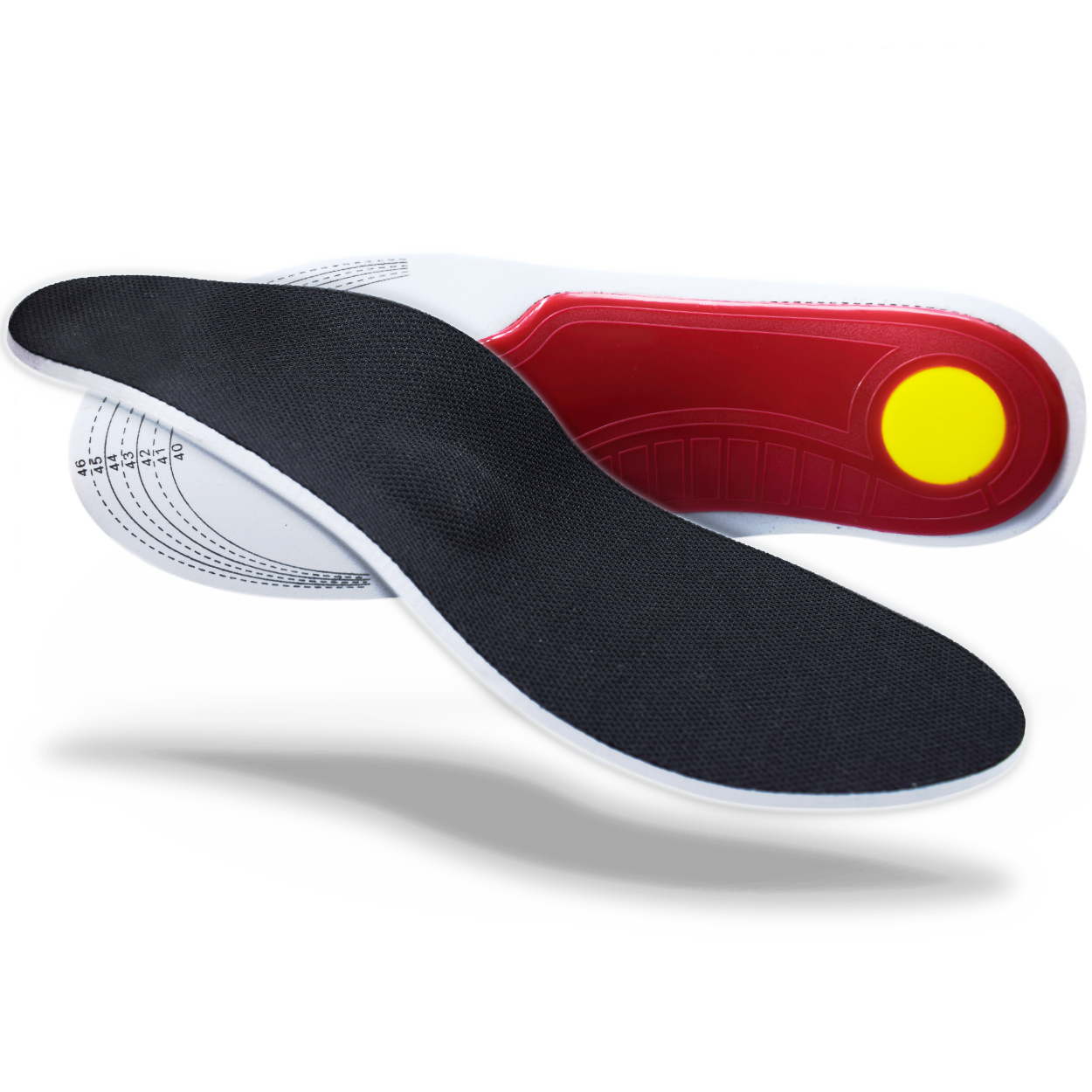
Flat feet, high arches and long days on hard floors can leave your feet aching long before the rest of you feels tired. FootReviver orthotic arch support insoles are designed to give your feet the structured support they have been missing. They help to reduce strain through your arches, soften impact and encourage a more natural, steady walking pattern. Available in UK sizes 3–7 and 7–11, they fit comfortably into most trainers and many everyday or work shoes. - Support for flat and fallen arches
When the arches are low or have gradually dropped, the feet tend to roll in more than they should. This often shows up as tired, sore soles and inner ankles by the end of the day. FootReviver insoles use a firm, shaped arch to lift and support the mid‑foot so it does not collapse fully with each step. By limiting excessive rolling‑in and easing the pull on the plantar fascia, they can help to relieve daily discomfort and reduce the strain that often leads to persistent heel and arch pain. - Comfort and stability for high arches
High‑arched feet often sit on a narrow band of support, with pressure building quickly under the heel and the ball of the foot. FootReviver insoles bring a shaped surface up to meet the arch, increasing contact through the mid‑foot and helping to share load more evenly. The combination of firm arch support, cushioned forefoot and a cradled heel softens sharp pressure points and can make high‑arched feet feel more stable and less sore over the course of the day. - Structured support, not just extra padding
These are not flat foam inserts. FootReviver insoles are built around the same key ideas used in clinical orthotics: a clear arch profile, a deep, stabilising heel cup and cushioning where your feet take the most load. They suit a wide range of foot types, including flat feet, high arches and feet affected by bunions or arthritis, and are commonly used as part of managing problems such as plantar fasciitis, heel pain and discomfort under the ball of the foot. - How FootReviver supports each step
A contoured arch, deep heel cup and supportive rearfoot shell work together to guide the foot as it moves from heel to toe. This helps to reduce excessive rolling in or out and to spread pressure more evenly with every step. A shock‑absorbing EVA layer under the heel and forefoot softens impact on hard surfaces, while the slim, ergonomic shape lets the insoles sit securely in your shoes without making them feel tight or bulky. - Helping with common gait issues
Many people roll their feet in (overpronate) or out (supinate) more than they realise. By supporting the arch and holding the heel more securely, FootReviver insoles can help to steady these movements and reduce the twisting forces that travel up through the ankles, shins and knees. This can make walking, running and prolonged standing feel more controlled and less tiring. - Designed for everyday wear
FootReviver insoles are made from durable, shock‑absorbing EVA with a firm rearfoot shell and a breathable top cover. The structure is solid enough to give real support, yet comfortable enough to wear throughout a full day. They work particularly well in running shoes and trainers, where the mix of support and cushioning can improve comfort during walking, exercise and long shifts on hard floors. - Part of managing everyday foot and leg pain
By improving how the foot is supported and how pressure is shared, these insoles can form part of the management of many common issues, including plantar fasciitis, heel spurs, metatarsal pain, Morton’s neuroma, Achilles tendon problems, shin splints and some types of knee or lower back pain linked to poor foot mechanics. They offer a straightforward, non‑invasive way to reduce unnecessary strain on the feet and lower limbs. - Risk‑free to try with a 30‑day guarantee
FootReviver insoles are supplied by RevitaFit with a full 30‑day money‑back guarantee. You can wear them in your usual shoes and see how they feel in everyday use. If they are not right for you, simply return them within 30 days for a refund.
Key features at a glance
- Firm orthotic arch support to reduce strain on flat and high‑arched feet
- Deep heel cup and supportive rearfoot shell for improved stability
- Shock‑absorbing EVA cushioning to soften steps on hard surfaces
- Helps to moderate overpronation and supination for a more neutral gait
- Slim, breathable design that fits most trainers and many everyday shoes
- Useful as part of managing plantar fasciitis, heel pain and forefoot discomfort
- Backed by a 30‑day money‑back guarantee for peace of mind
Stronger Support from the Ground Up
Flat feet, high arches and long days on hard floors all put extra strain on your feet and the joints above them. Good arch and heel support helps to share that load properly, so each step feels more comfortable and better controlled.
Why Better Foot Support Matters
Every step you take sends force from the ground up through your feet, ankles, knees, hips and lower back. When your arches are doing their job and your feet are well supported, that force is spread and controlled. When arches are very low, very high, or simply not supported properly, small imbalances at ground level can build into sore, tired feet and a range of avoidable aches higher up the body.
In a typical foot, the arch lowers a little as you take weight and then springs back as you move forwards. That small movement helps to cushion each step and guide the leg in a smoother line. If the arch collapses too far, as it often does with flat or very flexible feet, the foot can roll inwards more than it should. If the arch is very high and rigid, it may hardly lower at all, leaving the heel and ball of the foot to absorb most of the impact with limited help from the mid‑foot.
Over time, these patterns can put extra stress on the tissues in the feet and lower legs. The plantar fascia under the foot may be repeatedly overstretched, leading to heel and arch pain. The tendons around the ankle, particularly on the inner side, can become irritated as they work harder to control an unstable foot. Muscles along the shin and calf may be overworked, contributing to shin splints or Achilles tendon problems. Even the knees, hips and lower back can begin to feel the effects of altered alignment and loading when the foundations are not well supported.
Many people accept sore, tired feet at the end of the day as unavoidable, especially if their job involves long hours on hard floors or they enjoy activities such as walking or running. Others notice that the distances they can walk comfortably are shrinking, or that simple things like standing in a queue or going up and down stairs leave their feet and legs feeling older than the rest of them. Often, the level of support inside everyday footwear has not been given the same attention as other aspects of health.
Giving the foot better support is one of the most practical ways to start changing this. Lifting and supporting the arch, steadying the heel and adding cushioning in the right places allow the foot to share load more effectively with each step. This does not alter the basic shape of your foot, but it does help it to work more like the efficient, shock‑absorbing base it is meant to be. In turn, this can ease daily discomfort in the feet themselves and reduce unnecessary strain on the joints and soft tissues above them.
FootReviver Insoles – Structured Support in Everyday Shoes
FootReviver orthotic arch support insoles are designed to bring the key elements of clinical foot support into a form that can be worn in typical trainers and many casual or work shoes. Rather than simply adding a soft layer, they combine firm structure with targeted cushioning so that your feet are both guided and protected throughout the day.
At the centre of each insole is a contoured arch profile that follows the curve of a healthy foot. For low or fallen arches, this contour helps to lift and support the mid‑foot so it does not collapse fully towards the ground with each step. For high arches, the same shape gives the arch a clearer surface to rest on, increasing contact and helping to share load more evenly along the length of the foot. In both cases, the aim is not to hold the arch rigid, but to give it a stable base so it does not have to collapse and strain with every step.
This arch support is paired with a deep heel cup and a firm rearfoot shell. Together, these cradle the heel and help keep it sitting squarely over the insole, rather than tipping excessively inwards or outwards. This encourages a more neutral foot position and can reduce the twisting forces through the lower leg that often accompany overpronation (rolling in) or supination (rolling out). When the heel is more stable, the rest of the foot can move in a more controlled way, and the ankle, shin and knee are less exposed to repeated, avoidable strain.
Under the heel and forefoot, a layer of shock‑absorbing EVA foam helps to soften the impact of each step, particularly on hard indoor floors and pavements. This kind of cushioning is especially valuable for people who spend many hours on their feet, whose natural fat pads under the heel and ball of the foot have thinned with age, or who take part in impact activities such as running or fitness classes. By reducing sharp impact peaks, the insole helps to protect sensitive structures like the plantar fascia, heel pad and metatarsal heads.
Despite this structure, the overall profile of the insole is slim and ergonomic. It is designed to sit securely within the shoe without making it feel cramped or significantly altering the way the shoe fits. This makes FootReviver insoles a realistic option for day‑to‑day wear, not just something to put on occasionally. For many people, the result of this combination of support, stability and cushioning is a noticeable improvement in how their feet and legs feel by the end of the day, and a steadier, more comfortable step from morning to night.
Key Features and How They Help Your Feet
Firm Arch Support for Flat and High‑Arched Feet
The arch profile in FootReviver insoles is shaped to give reliable support where many standard insoles simply flatten. Rather than a single hard lump under the arch, the contour runs smoothly from the heel into the mid‑foot, following the curve of a healthy arch. For flat or fallen arches, this helps to lift and support the mid‑foot so it no longer collapses fully towards the ground with each step. That reduction in collapse can ease the constant pulling on the plantar fascia and reduce the feeling that the foot is spreading out inside the shoe. For high arches, the same firm contour gives the arch something substantial yet cushioned to rest on, increasing contact and helping to share load more evenly along the length of the foot instead of just at the heel and ball.
Deep Heel Cup for Stable, Supported Steps
The heel section of FootReviver insoles is designed to cradle the back of the foot securely. A deep heel cup helps to centre the heel pad over a firm rearfoot shell, reducing unwanted side‑to‑side movement and improving overall stability. This makes it easier for the heel to land in a more controlled way and for the rest of the foot to follow a smoother path from heel strike to toe‑off. For people whose heels tend to roll inwards, this added stability can lessen strain on the inner ankle and lower leg. For those prone to rolling outwards or twisting their ankles, the heel cup offers a more secure base inside the shoe, reducing the sense of wobble on uneven ground.
Guidance for Overpronation and Supination
Many feet roll in (overpronate) or roll out (supinate) more than they should, especially when tired or supported only by flat insoles. FootReviver insoles are shaped to help moderate these movements rather than simply pad over them. The combination of the contoured arch and deep heel cup gently encourages the foot to move through a more neutral path as weight transfers from heel to toe. This does not hold the foot rigidly in one position, but it does limit the extremes of rolling that can contribute to problems such as plantar fasciitis, shin splints and certain types of knee or hip discomfort. Over time, many people notice a more centred, steady feel when they walk or run.
Shock‑Absorbing EVA Cushioning Where It Counts
Underneath the supporting structures, FootReviver insoles use a layer of EVA foam to provide cushioning. EVA is widely used in quality footwear because it can absorb shock without adding unnecessary weight or bulk. In these insoles, it is positioned under the heel and forefoot, where impact forces are greatest. Each step on a hard surface sends a small but repeated jolt up through the skeleton; over a full day this can build into a deep, tired ache in the feet and legs. By softening these impacts, the EVA layer helps to protect sensitive structures such as the heel pad, plantar fascia and metatarsal heads, and can make long days on your feet feel more manageable.
Supportive Rearfoot Shell for Lasting Shape
To ensure that the arch contour and heel cup continue to do their job over time, FootReviver insoles include a supportive shell in the rearfoot. This firmer layer sits beneath the heel and part of the mid‑foot, providing a stable base for the softer materials above. Without this kind of structure, foam alone can compress and lose shape relatively quickly, reducing its ability to guide and support the foot. The rearfoot shell helps the insole maintain its intended profile, so the support you feel on day one is preserved as you continue to wear it in everyday life. The front of the insole remains more flexible, allowing the forefoot to move and adapt naturally.
Slim, Breathable Design for Everyday Footwear
Support only makes a difference if you can use it in the shoes you actually wear. FootReviver insoles are designed with a low‑bulk profile so they can sit comfortably in most trainers and many casual or work shoes without making them feel cramped. The height of the arch and heel structures is carefully balanced to give meaningful support while still allowing the foot to sit securely within the shoe. A breathable top layer helps to reduce heat and moisture build‑up, which is particularly important for those who spend long hours in closed footwear. The aim is for the insoles to feel present and supportive underfoot, but not intrusive or awkward to accommodate.
Built on Orthotic Principles Used in Clinics
The way FootReviver insoles are shaped reflects the same ideas foot specialists rely on when they recommend supportive insoles in clinic: a clear arch to prevent excessive collapse, a stable heel to improve alignment, and cushioning where your feet take the most load. While these insoles are a ready‑to‑wear product rather than a custom device, they are designed to offer a level of structure that goes well beyond a flat or lightly padded insole. This makes them a practical choice for people who have been advised to improve their foot support, or who recognise from experience that their current insoles are not doing enough to help their feet cope with daily demands.
Who Benefits Most from FootReviver Insoles?
People with Flat or Fallen Arches
If your arches are low or have dropped over time, you may recognise the feeling of feet that tire long before the rest of you. Shoes often wear more on the inside edge, the ankles can appear to lean inwards, and after a few hours on your feet there is a familiar ache along the soles and inner ankles. Simple tasks such as walking to and from work or standing to prepare meals can leave the feet feeling as though they have been working overtime just to keep you upright. FootReviver insoles are designed to give these feet a more defined, supportive base. The firm arch contour helps the mid‑foot feel lifted rather than collapsed, and the stable heel section reduces the sense that the ankles are rolling inwards with every step.
People with High, Demanding Arches
High‑arched feet often feel as though they are perching on the insole rather than resting on it. Pressure builds quickly under the heel and the ball of the foot, and no matter how soft the shoe feels in the shop, it can feel unforgiving once you have walked a few streets. Many people with high arches describe a tendency to twist or “go over” on their ankles and a sharp, localised soreness under the forefoot after a day on hard floors. FootReviver insoles help by bringing firm, shaped support up to meet the arch, increasing contact through the mid‑foot. The combination of a defined arch, cushioned forefoot and cradled heel can make high‑arched feet feel more stable, better cushioned and less prone to that bruised, burning sensation that comes with concentrated pressure.
People with Heel Pain or Plantar Fasciitis
Plantar fasciitis and related heel problems often make themselves known first thing in the morning. That sharp jab under the heel with the first few steps, or the ache that returns after sitting for a while, can colour the whole day. Walking on hard floors in flat, unsupportive shoes usually makes things worse. FootReviver insoles support the arch so that the plantar fascia under the foot is under less constant pull, and they cushion the heel to soften each landing. For many people with heel pain, using this sort of structured support in everyday shoes is one of the key changes that makes standing, walking and gentle activity more manageable while the irritated tissues are given a chance to settle.
People Who Stand or Walk on Hard Floors All Day
Many jobs involve long hours on hard, unyielding surfaces – for example in shops, hospitals, warehouses, catering and hospitality. Even without a specific diagnosis, this constant impact can leave the feet, ankles and lower legs feeling drained by the end of a shift. Standard insoles in many shoes compress quickly and may offer little in the way of real support.
FootReviver insoles add both structure and cushioning in this setting. By supporting the arch and stabilising the heel, they reduce how hard the feet have to work simply to hold a decent position. The EVA layer under the heel and forefoot helps to absorb some of the repeated impact from concrete, tiled or wooden floors. Over a full working day, this often means less throbbing under the soles and a more settled feeling in the legs.
Runners, Walkers and Active Individuals
For people who run, walk at pace or train regularly, small issues in foot support can quickly show up as shin pain, sore heels or grumbling knees. Many sports and training shoes are light and flexible but offer limited arch structure, and their original insoles may flatten with use. Repeated landings on pavements, paths and indoor floors increase the demands on the feet and lower limbs.
FootReviver insoles provide a more defined platform inside the shoe, guiding the foot through each stride and helping to control unnecessary rolling in or out. The cushioning under the heel and forefoot takes some of the sting out of repeated impacts on harder surfaces. Used in this way, they can support comfort over distance and help reduce the risk of certain overuse problems that are linked to poor foot mechanics, such as shin splints, plantar fasciitis and some types of knee discomfort.
People with Gait or Alignment Issues
Some people know they roll in on their feet, others notice their trainers wear heavily on one side, or that their ankles feel unsteady when they are tired. You might see your knees drifting inwards when you walk or squat, or feel that your feet tip outwards when you are on uneven ground. These are all signs that your feet may be overpronating (rolling in) or supinating (rolling out) more than they should.
FootReviver insoles are shaped to steady the heel and support the arch, which can help to moderate these movements and make your stride feel more controlled. If you recognise your own feet or shoes in this description, using structured support in your everyday footwear is a practical way to ease some of the extra load on your ankles, shins and knees. For more detail on overpronation and supination, you can also see the specific condition sections further down this page.
Older Adults and Anyone with Tired, Aching Feet
With age, the natural cushioning under the heel and ball of the foot can thin, and the ligaments supporting the arches may stretch, leaving the feet feeling less resilient. What used to be a comfortable walk to the shops or a day out with family can start to leave the soles feeling bruised and the arches weary. FootReviver insoles can help restore some of the support and cushioning that has gradually been lost. By lifting the arch, cradling the heel and adding shock absorption, they make routine activities such as shopping, visiting friends or light exercise less taxing on the feet. For many older adults, that extra support makes everyday walking and standing feel easier and more dependable.
Clinically Informed Support in Everyday Footwear
FootReviver insoles use the same core ideas that foot specialists rely on when they recommend supportive insoles: a clear arch to prevent excessive collapse, a stable heel to improve alignment, and cushioning where your feet take the most load. Insoles shaped in this way are widely used in clinics as part of the sensible, non‑surgical care of problems such as plantar fasciitis, forefoot pain and overpronation‑related shin or knee issues.
FootReviver insoles are made to bring that level of support into the shoes you already wear. They do not replace a full assessment or treatment plan where that is needed, but they sit well alongside advice from a physiotherapist, podiatrist or doctor. Many people notice that, once they start wearing structured support in their everyday footwear, their feet and lower legs cope better with the demands of work, family life and exercise, without feeling as battered at the end of the day.
How FootReviver Insoles Fit into Specific Conditions
If you already know the name of a condition affecting your feet or lower limbs, the sections below explain what is happening and how better support under the foot can form part of day‑to‑day management. Each overview focuses on the particular mechanics of that problem and the way FootReviver insoles can help reduce strain.
Practical Guidance: Fitting, Use and Care
Choosing the Right Size
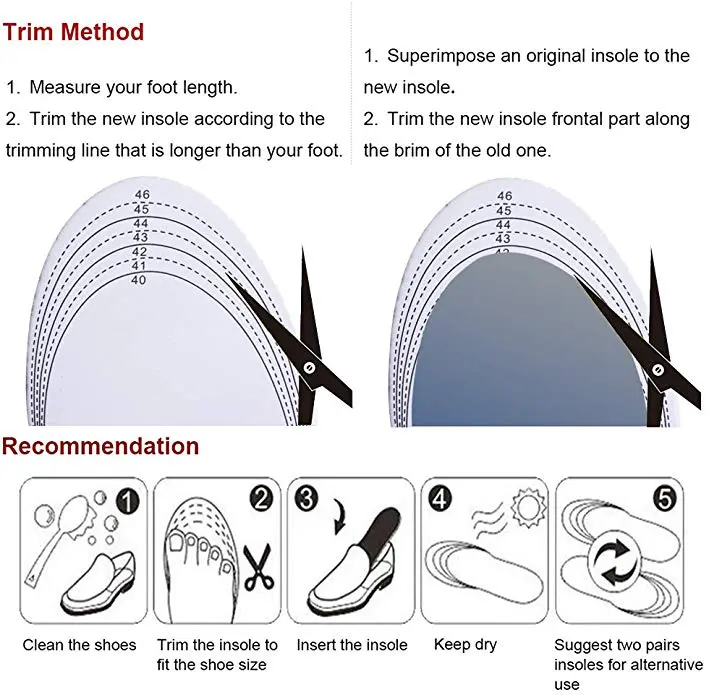
FootReviver insoles are available in UK sizes 3–7 and 7–11. Choose the size range that matches your usual shoe size. If you sit between two sizes, it is generally better to select the larger option. In some shoes you may wish to trim a small amount from the front edge so that the insole sits flat without creasing. The heel and arch areas should sit directly beneath your own heel and arch when the insole is in the shoe.
Fitting the Insoles into Your Shoes
For best results, remove any existing removable insole from your shoes before inserting FootReviver insoles. Place the FootReviver insole into the shoe with the heel snug against the back and the arch contour aligned under your own arch. Check that your toes have comfortable room and that the upper of the shoe does not feel overly tight across the top of the foot. These insoles work particularly well in trainers, walking shoes and many work shoes with a reasonable amount of internal space.
Allowing Time for Your Feet to Adjust
Structured arch support can feel quite different from flat, soft insoles, especially if you have not worn this type of support before. It is common to be aware of the arch and heel cup in the first few days. To help your feet adapt, start by wearing the insoles for shorter periods – perhaps an hour or two on the first day – and gradually increase the time as they feel more familiar. A mild feeling of your feet working in a new way is normal; persistent or sharp pain is not and should prompt a pause and, if needed, professional advice.
Caring for Your FootReviver Insoles
To keep your insoles fresh, remove them from your shoes periodically and allow them to air. The surface can be wiped with a damp cloth and mild soap if needed, then left to dry naturally away from direct heat sources such as radiators or heaters. Avoid soaking the insoles or putting them in a washing machine, as this may damage the materials or affect their shape.
All insoles gradually compress and wear with regular use. Signs that it may be time to replace your FootReviver insoles include visible flattening of the cushioning, loss of resilience when pressed, or the gradual return of familiar foot aches that had previously improved. The exact lifespan depends on body weight, activity level and how frequently they are worn, but as a general guide, insoles used daily are often at their best for several months before they need replacing.
30‑Day Money‑Back Guarantee
FootReviver insoles supplied by RevitaFit come with a full 30‑day money‑back guarantee. This allows you to try them properly in your own shoes and daily routine, rather than making a decision based on a quick test. If, within 30 days of purchase, you decide they are not right for you, they can be returned for a refund in line with the returns policy. The intention is to make trying structured support for your feet straightforward and low‑risk.
Bringing It All Together
Flat feet, high arches and long days on hard surfaces are all common reasons why feet and lower limbs start to complain. Without adequate support, the arches and heels are asked to absorb more strain than they comfortably can, and those small imbalances can echo upwards into the ankles, knees, hips and back. FootReviver orthotic arch support insoles are designed to tackle this from the ground up, combining firm arch support, a stable heel cup and targeted cushioning in a slim design that works in everyday footwear.
Whether you are looking to ease persistent heel pain, take pressure off the ball of your foot, support long shifts at work or simply make walking more comfortable again, improving how your feet are supported is a practical and sensible place to start. With their clinically informed design and 30‑day money‑back guarantee, FootReviver insoles offer a straightforward way to see how much difference better support under your feet can make to your comfort throughout the day.
| Size | 3-7, 7-11 |
|---|
You must be logged in to post a review.
Delivery information
Here at Revitafit we use Royal Mail to deliver all of our orders first class. This means you can rest assured that your items will arrive as fast and safely as possible.
We also believe that delivery costs should be as affordable as possible, so we offer a flat rate postage and packaging fee of just £2.99. This means that no matter how many things you order, you won't be charged extra for delivery.
To get your order to you as quickly as possible we dispatch all orders made before 5pm on working days the same day. If you order after 5pm or on a weekend, don't worry - we'll dispatch your order the next working day.
Not received your order? Sometimes things can go wrong, and orders can get lost or delayed in the post. If this happens to you, please don't hesitate to get in touch with us. We're always here to help, and we'll do everything we can to resolve the issue and get your order to you as soon as possible.
How to return and Item
At RevitaFit, we understand that sometimes things just don't work out. That's why we offer a hassle-free 30 day return policy. We want our customers to be completely satisfied with their purchases, so if for any reason you are not happy with your product, you can return it within 30 days for a full refund.
To ensure a smooth and easy return process, please make sure that the item is in its original condition and packaging. We cannot accept returns for items that have been used or damaged. The customer is responsible for the cost of returning the item, but if the product was faulty or damaged upon arrival, we will cover the postage and packaging costs.
If you simply ordered the wrong size, no need to worry. We will happily exchange the item for the correct size free of charge.
Please note that returning an item does not affect your rights as a consumer. If you have any questions or concerns about our returns policy, please do not hesitate to contact us.
To initiate a return, please send your item along with a note containing your order number to our address: RevitaFit UK, 81 Highfield Lane, Waverley, Rotherham, S60 8AL. We will process your return as soon as possible and issue your refund within 7-10 business days.

 Orthotic Arch Support Insoles ...
 Original price was: £12.99.£9.99Current price is: £9.99.
Reviews
There are no reviews yet.