
No products in the cart.
Return To Shop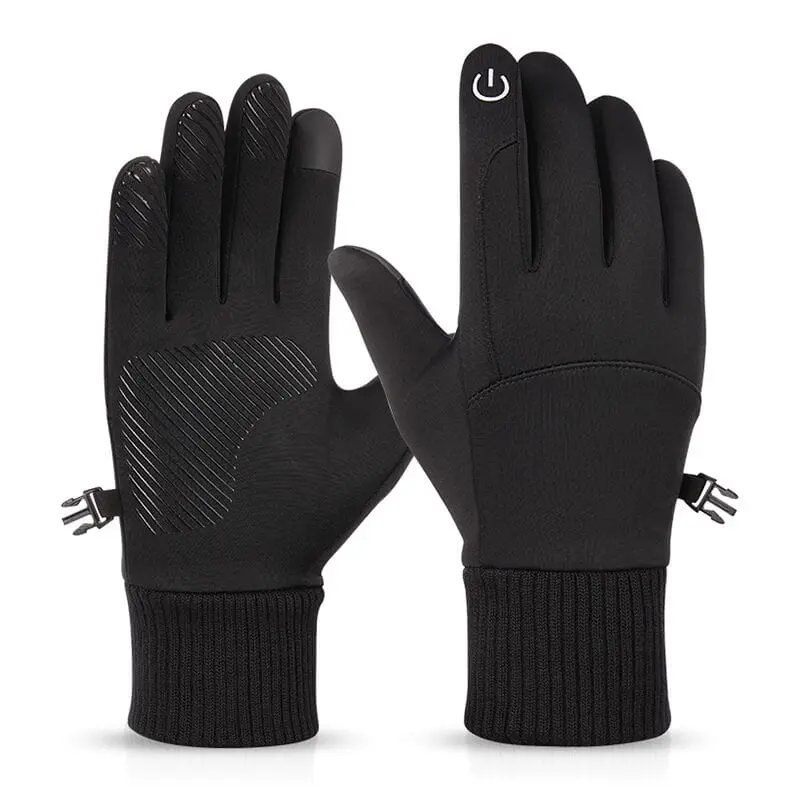
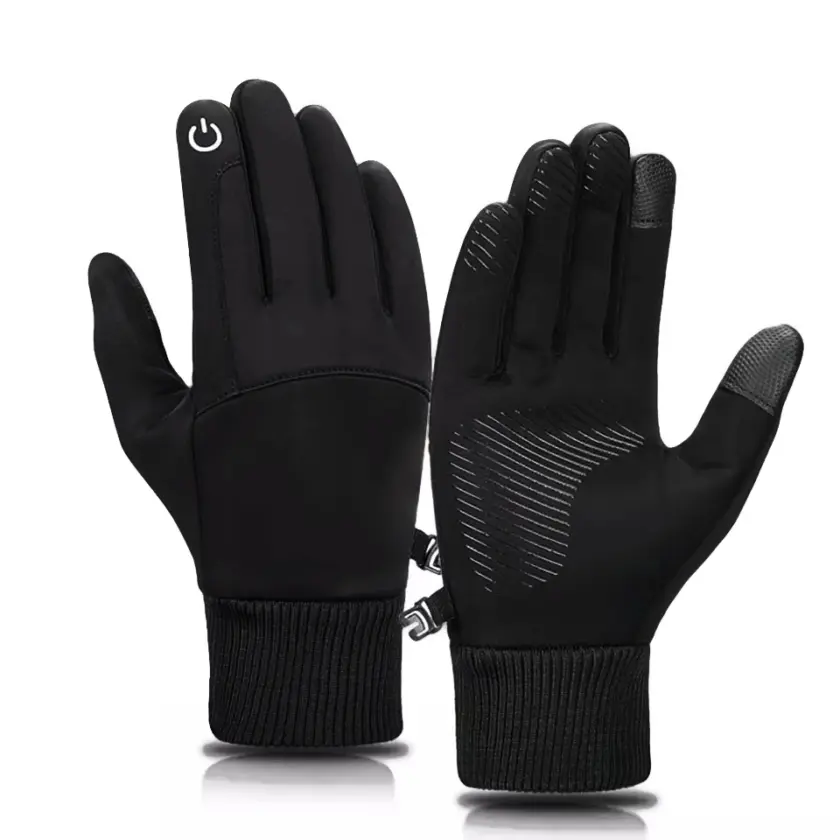
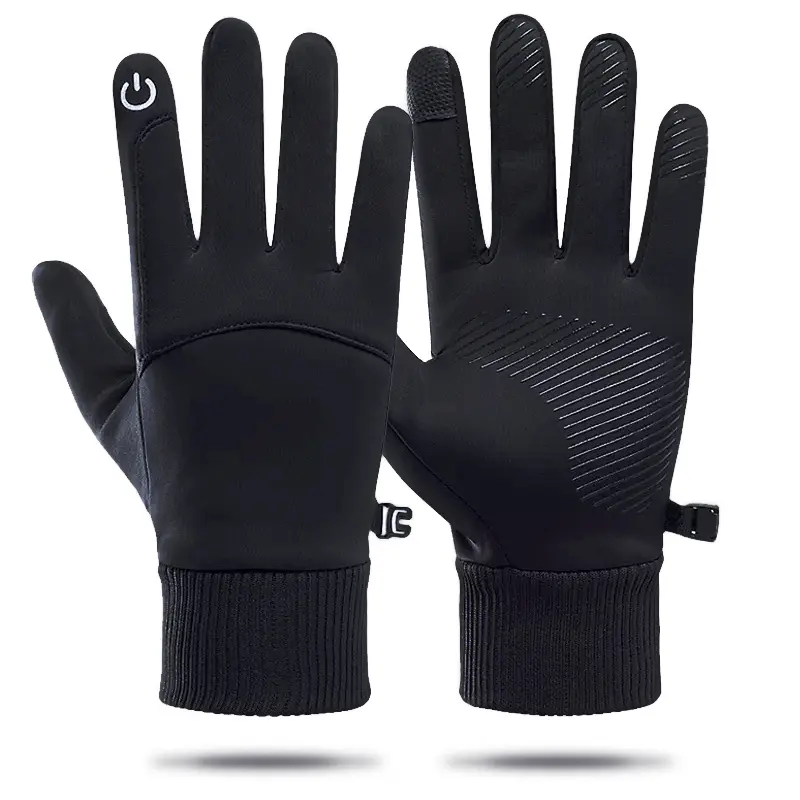

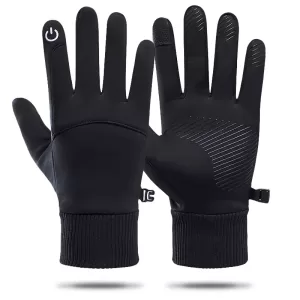
Winter thermal gloves for running & outdoor sports
£11.99
Keep your hands warm, dry and fully usable on cold UK runs, walks and outdoor sessions – even if you live with Raynaud’s, chilblains, arthritis or very cold‑sensitive fingers.
RevitaFit Winter Thermal Gloves are designed for people who refuse to sit out the colder months. A slim, flexible fit lets you grip, adjust kit and move naturally, while a waterproof outer, wind‑blocking cuffs and a soft thermal lining work together to protect your hands from cold air, wind chill and damp fabric – three of the most common triggers for winter hand problems.
- Built for winter running and outdoor sports – Slim, flexible design keeps hands warm without bulk, so you can hold a dog lead, running belt, poles or handlebars and still manage zips, laces and kit on the move.
- Helps support cold‑sensitive circulation – Multi‑layer insulation, wind‑blocking cuffs and a waterproof outer help reduce sudden cold exposure to your fingers, which is a common trigger for Raynaud’s‑type episodes and chilblain‑prone hands.
- Gentle warmth for stiff, painful joints – Soft fleece lining and steady insulation around the fingers and thumbs can help many people with osteoarthritis or long‑standing hand pain feel less stiff and more able to use their hands in cold weather.
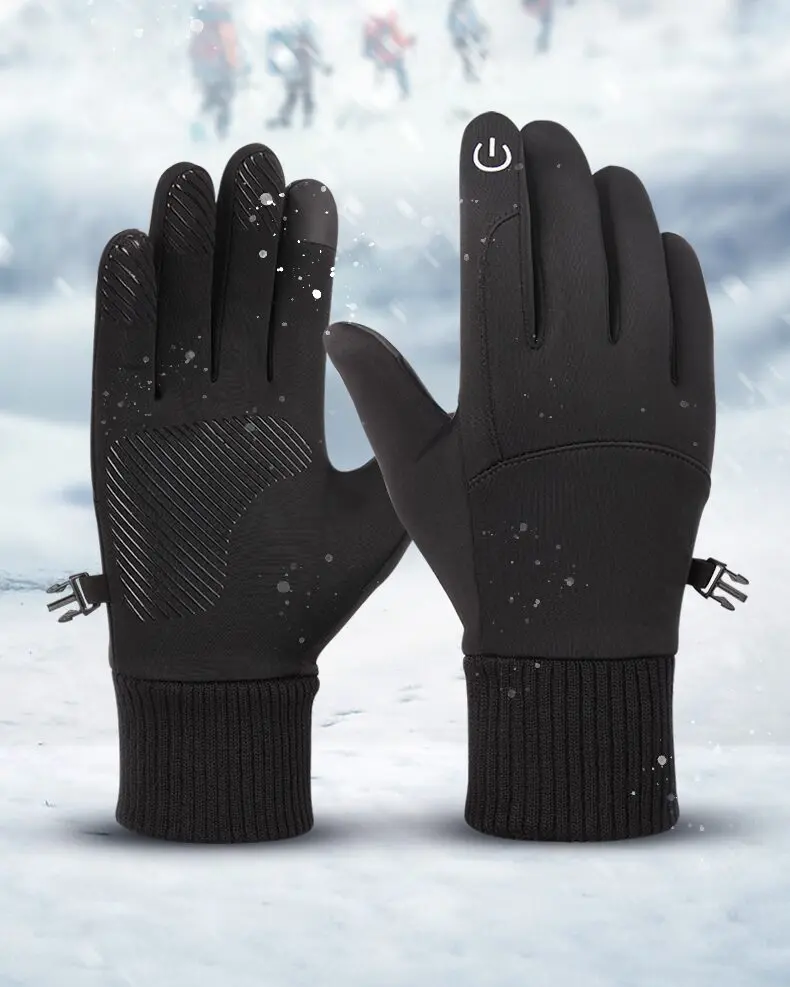
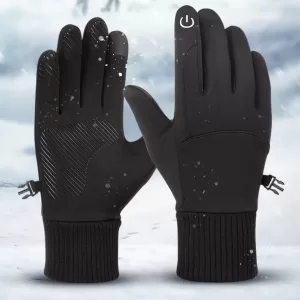
- Waterproof, wind‑resistant and breathable – Designed to help keep out rain, drizzle, sleet and light snow while allowing moisture from sweat to escape, so your hands stay drier and more comfortable on longer outings.
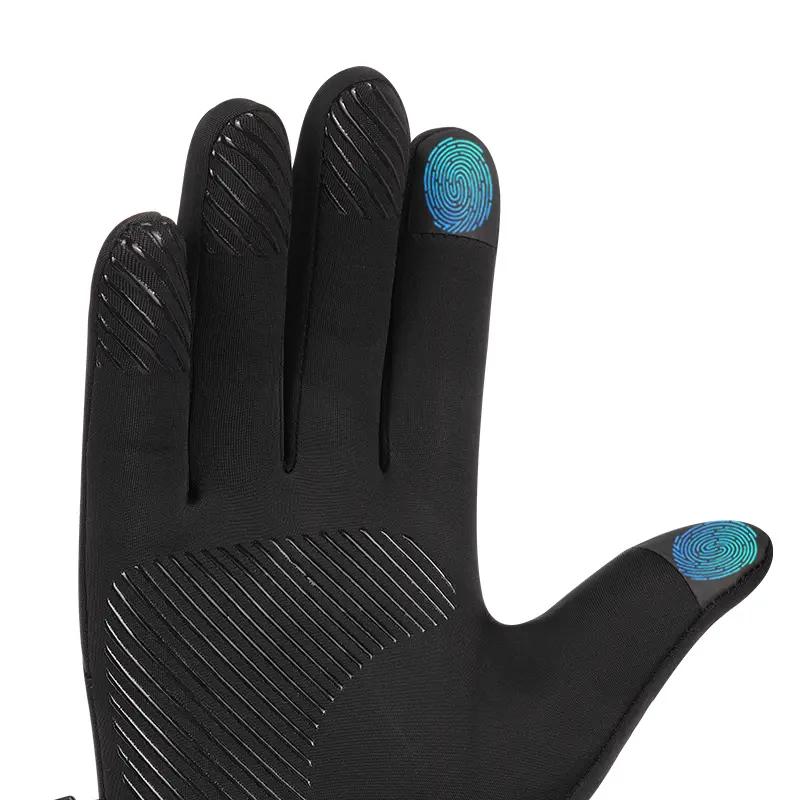
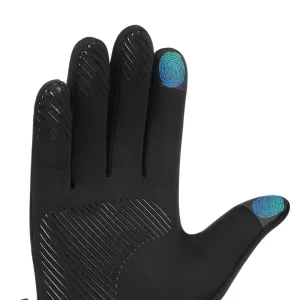
- Touchscreen‑ready fingertips – Use your phone, navigation apps or sports tech with minimal glove‑off moments, reducing how often bare fingers are exposed to cold air and wind.
- Secure, close fit in three sizes – Available in Medium, Large and Extra Large to suit a wide range of hand sizes, with a gently snug feel that supports dexterity without restricting circulation.
Winter running gloves that help cold‑sensitive hands stay warm, dry and usable
Built for UK winter runs, walks and outdoor sports – with extra care for Raynaud’s, chilblains, arthritis and cold‑sensitive fingers
Cold weather does more than make your hands feel chilly. For many runners, walkers and outdoor enthusiasts, it turns fingers numb and clumsy, stiffens already sore joints, and makes even simple tasks – tying laces, checking a route, holding a dog lead or using a phone – feel awkward, painful or impossible. If you live with Raynaud’s, chilblains, hand arthritis or simply very cold‑sensitive fingers, it can be striking how quickly winter conditions turn a planned run, walk or training session into something you cut short or avoid altogether.
RevitaFit Winter Thermal Gloves are designed to help change that experience. They are built around the demands of real UK winters: cold wind, steady drizzle, sudden showers, sleet, light snow and wet pavements, rather than just dry, crisp days. The aim is straightforward – to help keep your hands warm, dry and usable for longer, so you can keep moving comfortably instead of spending your time worrying about how your fingers will cope.
These gloves combine a slim, flexible fit with a waterproof outer layer, wind‑blocking cuffs and a soft thermal lining. Together, these features help shield your fingers and joints from cold air, wind chill and damp fabric – three of the most common triggers for winter hand problems. The result is a glove that is warm enough for serious cold, but still practical for everyday movement, whether you are running, walking briskly, commuting by bike or staying active on the sidelines.
Why winter hits some hands harder than others
Not everyone’s hands react to the cold in the same way. Some people can spend hours outdoors with only mild discomfort, while others find their fingers becoming painful, numb or useless within minutes. If your hands fall into the second group, it usually reflects how your circulation, joints, nerves and skin respond to cold, wind and damp.
Raynaud’s‑type reactions and cold‑sensitive circulation
Raynaud’s involves episodes where the small blood vessels in the fingers narrow sharply in response to cold or sudden temperature changes. Fingers can turn very pale or white, sometimes with a bluish tinge, then become numb and difficult to move before turning red and painful as they warm up again. Attacks often last minutes to an hour and commonly affect several fingers on both hands.
Chilblain‑prone fingers
Chilblains are small, sore, often itchy red or purple areas that appear on the backs and sides of the fingers (and sometimes toes) after repeated exposure to cold, damp conditions. They can feel burning or tender to touch and may swell slightly. They often become noticeable some hours after coming indoors and can linger for days or weeks, frequently recurring in the same spots each winter.
Stiff, painful hands in the cold (including osteoarthritis)
Osteoarthritis and other long‑standing joint problems in the hands often feel worse in cold, damp weather. The small joints at the base of the thumb and along the fingers can feel stiff, sore or achy, especially when you first start using your hands in the cold or after rest. Everyday tasks such as gripping a lead, holding handlebars, carrying shopping or fastening zips can bring on pain more quickly in low temperatures.
Very cold‑sensitive hands without a diagnosis
Some people do not have a named condition but still find that their hands react very strongly to the cold. Fingers may become painfully cold, numb or clumsy much sooner than the rest of the body, and can take a long time to feel normal again after coming indoors. This is often more noticeable in people who have always had “cold hands”, who are naturally slim, or who live with conditions such as diabetes or peripheral neuropathy that affect sensation and healing.
In all of these situations, cold air and wind chill around the fingers, damp fabric next to the skin, and sudden temperature changes – for example, taking gloves off briefly in the cold or going straight from a cold outdoor session into very warm indoor air – tend to set problems off.
Understanding common winter hand problems in more detail
If your hands react very strongly to the cold, it can be reassuring to understand what may be going on in a little more depth. The information below does not replace medical advice, and it cannot diagnose any condition, but it can help you recognise patterns and think more clearly about how to protect your hands in winter.
Shared triggers in these situations
In all of these situations, the same things tend to set problems off:
- Cold air and wind chill around the fingers and backs of the hands, particularly at the start of an outing or during pauses, when blood flow is already reduced.
- Damp fabric next to the skin from rain, sleet, snow or sweat that cannot escape, which speeds up heat loss and holds the cold against the skin.
- Sudden changes in temperature, such as taking gloves off briefly in the cold, moving straight from a cold outdoor session into very warm indoor air, or using very hot water or strong direct heat on chilled hands.
No glove can eliminate these triggers completely, and gloves cannot treat or cure any medical condition. However, well‑designed winter gloves can help reduce how often your hands are exposed to cold air, wind and damp, and can make the temperature changes around your fingers slower and gentler. For many people with Raynaud’s‑type circulation, chilblain‑prone skin, osteoarthritis, inflammatory hand conditions or very cold‑sensitive hands, that extra protection is a key part of staying active outdoors through the winter.
How RevitaFit Winter Thermal Gloves help protect your hands
To support cold‑sensitive hands properly, a winter glove has to do more than feel thick. It needs to manage cold air, wind, moisture and heat in a balanced way so your fingers stay protected without feeling bulky or damp. RevitaFit Winter Thermal Gloves are built around that principle, with each part of the design chosen to address the triggers described above.
Layered thermal design to help maintain warmth without bulk
The gloves use a layered construction to trap a thin layer of warm air around your hands while still allowing you to move freely. This matters if your hands tend to react quickly to even modest drops in temperature.
- Soft inner fleece lining sits next to your skin and helps hold warmth close to the fingers and joints. This gentle, steady warmth can make a clear difference if your fingers become stiff or painful as soon as they cool down, as is common with osteoarthritis, inflammatory hand conditions and long‑standing joint problems.
- Insulating middle layer slows the escape of heat from your hands to the outside air. For people with Raynaud’s‑type circulation or chilblain‑prone fingers, helping the fingers stay closer to a comfortable temperature may mean episodes arrive less quickly and feel less intense when you are outdoors.
- Protective outer shell works with these inner layers to shield the skin from direct contact with cold air, wind and moisture, so the temperature around the fingers changes more gradually instead of in sudden shocks that can trigger Raynaud’s attacks or aggravate painful joints.
This approach means the gloves feel warm and protective without the thick, rigid feel of heavy winter gloves that make it difficult to grip or adjust anything during a run, walk or outdoor session. You keep the benefits of insulation while still being able to use your hands for the smaller tasks that winter activity demands.
Waterproof outer layer to help keep hands dry
Cold and damp together are far more challenging for hands than cold alone. When rain, sleet or snow soak through a glove, the fabric next to the skin becomes wet, heat is lost more quickly, and the fingers cool faster. For people with Raynaud’s or chilblain‑prone hands, this wet‑and‑cold combination is a familiar trigger for episodes and flare‑ups.
The outer layer of RevitaFit Winter Thermal Gloves is designed to help keep out:
- Rain and drizzle
- Sleet and slush
- Light snow
By reducing how much water can reach the inner layers and your skin, the gloves help:
- Slow down heat loss from your fingers in wet conditions, so they cool more slowly instead of sharply.
- Lower the chance of damp fabric sitting against the skin for long periods, which is particularly important if you are prone to chilblains or have fragile skin.
- Create a drier, more stable setting for cold‑sensitive circulation, including the chilblain‑prone and Raynaud’s‑type reactions described earlier.
This also matters if you do not have a formal diagnosis but notice that once your gloves are wet, your hands quickly become numb, clumsy and uncomfortable. Keeping the inner layers dry is a simple, practical way to support your hands through typical UK winter conditions.
Wind‑blocking cuffs to reduce sudden cold exposure
Wind chill can strip warmth from the hands much faster than still air. It also tends to drive cold air in through gaps at the wrist, which is a common weak point in ordinary gloves. When cold air repeatedly reaches the skin around the wrists and backs of the hands, it can trigger Raynaud’s‑type episodes or increase discomfort in stiff, arthritic joints and inflamed soft tissues.
RevitaFit Winter Thermal Gloves use wind‑blocking cuffs to:
- Seal the area around the wrist more effectively, reducing gaps where cold air can enter.
- Limit the amount of cold air that can move up into the glove from the cuff as you move.
- Smooth out sudden drops in temperature where blood vessels pass close to the surface, which may help reduce some of the sharp temperature swings that often start an episode.
Worn under or over a jacket sleeve, these cuffs form a closer barrier so that warm air is better retained and cold gusts are less likely to reach the skin. This is a simple but important detail if your hands are sensitive enough that even a short blast of cold air at the wrists can cause trouble.
Designed for movement: running, walking and outdoor sports
Many winter gloves keep hands warm when standing still but become frustrating once you start moving. They can feel bulky, restrict finger movement, trap too much sweat or make it difficult to handle equipment. If you run, walk briskly or take part in outdoor sports through the winter, you need gloves that work across a full session – from the first cold minutes, through your main effort, to the slower, cooler finish.
RevitaFit Winter Thermal Gloves are shaped with active use in mind, so you can keep your hands working rather than simply wrapped up. The design balances warmth, protection and dexterity so that you do not have to choose between warm hands and functional ones.
Slim, flexible fit for grip and dexterity
The gloves are designed to sit close to the hand without feeling tight, so you can:
- Curl your fingers easily around a dog lead, running belt, trekking pole or pushchair handle.
- Adjust zips, laces, straps or rucksack clips without repeatedly taking the gloves off.
- Maintain control over handlebars, outdoor fitness equipment or tools if you are working outside.
This matters especially if you:
- Run or walk in all weathers and need to keep a steady grip for long periods.
- Take part in outdoor sports or training where you often adjust or carry kit in the cold.
- Have painful or stiff fingers and find bulky gloves make simple tasks more difficult and tiring.
By balancing warmth with flexibility, the gloves help you keep using your hands naturally rather than forcing you to clench against thick, rigid fabric. Many people with arthritis or long‑standing joint pain find that this combination of gentle warmth and preserved dexterity makes it easier to keep using their hands throughout a winter session.
Breathable construction to help manage sweat
During a run or brisk walk, your body produces heat and sweat. If moisture builds up inside a glove and cannot escape, your hands quickly become damp. Once your activity level drops – for example, when you stop at lights, wait for someone, or walk the last part of your journey – those damp hands can then cool rapidly. For people with cold‑sensitive circulation, chilblain‑prone skin or painful joints, this change in temperature can be enough to start symptoms or flare‑ups.
The materials used in RevitaFit Winter Thermal Gloves are chosen to:
- Allow moisture vapour from sweat to move out through the glove during continuous movement.
- Reduce the “clammy” feeling that can develop inside fully sealed gloves on longer outings.
- Help keep the skin and inner lining drier over the course of a run, walk, cycle or outdoor shift.
This balance between protection from the elements and the ability to breathe is particularly important for anyone training or working outdoors in cool, changeable conditions typical of a UK winter. It helps even out the temperature changes your hands experience as you warm up, work hard and then cool down again, rather than allowing a sharp chill to set in on damp skin.
Touchscreen‑compatible fingertips for fewer glove‑off moments
In modern winter training and outdoor activity, phones and sports technology are difficult to avoid. Stopping to remove gloves in the cold every time you need to check a route, change music, answer a call or record a run exposes your fingers to cold, wind and damp again and again. For people with Raynaud’s, chilblains, neuropathy or painful joints, these repeated short bursts of exposure can be enough to trigger symptoms or increase discomfort.
RevitaFit Winter Thermal Gloves include touchscreen‑compatible fingertips so you can:
- Use your smartphone or other touchscreen devices outdoors with minimal glove removal.
- Adjust settings on sports apps, watches and fitness trackers without fully uncovering your hands.
- Handle quick tasks such as unlocking a phone, checking a message or confirming a route while keeping most of your fingers covered.
This reduces the number of times your hands are suddenly exposed to cold air and wind and helps you maintain a more consistent level of warmth around the fingers. If your hands are the first part of your body to “give up” in the cold, cutting down on glove‑off moments can make winter activity feel noticeably more manageable.
Everyday winter use beyond training
Although these gloves are built with running and outdoor sports in mind, the same features that support winter training also make them suitable for everyday cold‑weather use. Many people find them helpful for:
- Cold morning and evening dog walks where fingers usually go numb within minutes.
- Standing or moving on the sidelines of winter sports, where you are outdoors for long periods but not always moving enough to stay fully warm.
- Commuting on foot or by bike in wind and rain, when fingers are exposed on handlebars, bags or railings.
- Outdoor errands in cold, wet or blustery weather, such as shopping, school runs or supervising outdoor play.
If your hands become numb, painful or stiff quickly in the cold – whether due to Raynaud’s‑type circulation, chilblain‑prone skin, osteoarthritis, inflammatory hand conditions or simply very cold‑sensitive fingers – having a pair of gloves that balance warmth, protection and dexterity can make staying active and independent in winter noticeably easier.
What these gloves can – and cannot – do
It is important to be clear about what winter gloves can realistically offer. RevitaFit Winter Thermal Gloves are designed to help manage exposure to cold, wind and damp – the conditions that often trigger or worsen problems such as Raynaud’s‑type reactions, chilblains, stiff arthritic joints, inflammatory hand conditions and very cold‑sensitive fingers. By keeping more warmth around your hands, blocking wind at the wrists, helping the skin stay drier and reducing how often you need to expose bare fingers to the cold, they can make winter activity more comfortable and manageable for many people.
They cannot treat or cure Raynaud’s, chilblains, arthritis, neuropathy or any other medical condition, and they are not a medical brace or splint. Some people will still experience episodes, flares or pain in cold weather even with good gloves, especially if their underlying condition is more severe. For most people, these gloves are best thought of as one practical part of a wider approach that may also include warm clothing, simple self‑care, breaking outdoor time into shorter spells when needed, and, where appropriate, advice or treatment from a GP or physiotherapist.
Fit, sizing and how to choose your gloves
A good fit matters both for comfort and for circulation, especially if you live with Raynaud’s, arthritis, diabetes, neuropathy or other circulation problems. RevitaFit Winter Thermal Gloves are designed to feel secure and close to the hand without being tight or restrictive, so that warmth and protection are delivered without squeezing or pinching.
Available sizes
The gloves are available in Medium, Large and Extra Large. As a general guide:
- People with smaller hands, or most women, usually suit a Medium.
- People with average male hand size often choose a Large.
- Those with broader or longer hands usually prefer an Extra Large.
If you already know your usual size in unisex winter gloves, that is a sensible starting point here. If you measure your hand around the widest part of the palm (excluding the thumb), a Medium typically suits smaller hands, a Large suits average‑sized hands, and an Extra Large is often better for larger hands or those who prefer a roomier fit.
How they should feel when on
When correctly sized, the gloves should:
- Follow the shape of your fingers and thumbs without pulling, wrinkling or digging in at the seams.
- Allow you to make a full fist and straighten your fingers comfortably without feeling that the fabric is resisting you.
- Feel gently snug at the wrist, without a tight band, throbbing, pins and needles or loss of feeling.
Your fingers should feel supported but not squeezed. It is normal for them to feel warmer than usual once you go outside, but you should not notice increasing discomfort, tingling or unusual colour changes within a few minutes of putting the gloves on indoors. If you do, they are likely too small or too tight for you, and choosing the next size up is safer for your circulation.
If you are between sizes
If you find yourself between two sizes, think about your priorities:
- If your main goal is warmth with a relaxed feel, or if you are particularly sensitive to pressure or have significant circulation issues, it is usually better to choose the larger size.
- If you want a closer feel for handling kit and know your circulation tolerates a slightly firmer fit, you may prefer the smaller size, provided it does not feel tight at rest.
Jacket, jumper and running‑top cuffs can add a little extra pressure around the wrists. If you often wear several layers, allowing a small amount of extra room at the wrist can make the combination more comfortable and reduce the risk of unwanted constriction.
Using other layers
These gloves are designed to be worn as your main winter gloves rather than as thin liners. Some people with very cold‑sensitive hands, or those who are outside for long continuous periods, choose to use a very slim inner glove or liner on the coldest days. If you plan to do this, choosing the larger of two possible sizes can help keep both layers comfortable and avoid unnecessary pressure on your fingers and wrists. If your hands are very sensitive, it can be helpful to wear the gloves indoors for short periods at first to check that the fit feels right before heading out for longer sessions.
Important information and when to seek advice
Most people can use RevitaFit Winter Thermal Gloves safely as part of their usual winter clothing. However, there are some situations where you should take extra care or seek professional advice before relying on any glove or support product.
When to be cautious
- Do not wear the gloves over open wounds, broken skin, obvious infection or ulceration on the hands or fingers.
- If you have been advised to avoid close‑fitting garments on your hands because of severe circulation problems, nerve damage, previous frostbite or ulcers, speak to your GP or specialist before using any glove or support.
- If you have diabetes, peripheral neuropathy or any condition that affects feeling in your hands, check your skin regularly for areas of rubbing, redness or damage, and avoid prolonged use if you cannot feel whether the gloves are too tight.
- If the gloves make your hands feel significantly more painful, unusually dark or very discoloured compared with your normal pattern in the cold, remove them and allow your hands to warm gently indoors. Avoid very hot water or direct heat sources held close to the skin.
When to speak to a GP or physiotherapist
- If you notice Raynaud’s‑type episodes (marked colour changes, numbness and pain) for the first time, or if your existing episodes are becoming much more frequent, severe or affecting more fingers than before.
- If you develop chilblains, ulcers, cracks or sores on your fingers that are not healing or are getting worse over days or weeks, especially if you have diabetes or known circulation problems.
- If you have persistent swelling, heat or redness in the hand joints, or pain that wakes you at night or does not ease when you are warm and resting.
- If you experience new or rapidly worsening numbness, tingling, weakness or changes in hand shape, especially after an injury, fall or period of heavy use.
Gloves are there to protect and support your hands in challenging weather, not to hide signs of a more serious problem. If you are unsure about changes in your symptoms, or if something does not feel right, it is always sensible to ask a GP or physiotherapist for personalised advice. They can help confirm what is going on, rule out other causes and advise on how best to use equipment such as gloves alongside any treatment you may need.
30‑day comfort guarantee
Choosing new winter gloves can feel like a risk, especially if you have had disappointing experiences with gloves in the past or if you live with Raynaud’s, chilblains, arthritis or other hand conditions. RevitaFit offers a simple 30‑day comfort guarantee so you can test these gloves properly in your own routine and in real UK weather.
Wear the gloves on your usual winter runs, walks, commutes and outdoor activities for up to 30 days from the date you receive them. Notice how your hands feel at the start of an outing, during steady effort and as you cool down. If you do not feel that the gloves are helping to keep your hands warmer, drier and more usable in typical winter conditions, you can contact us within that period to arrange a return and refund of the purchase price.
This gives you the chance to see how the gloves perform with your own hands and your own activities, without being committed to keeping them if they are not right for you. It is a practical way to find out whether this design offers the support your hands need to stay active through the colder months.
Questions people often ask
Bringing it all together
If winter usually means numb, painful or stiff hands the moment you step outside, it is easy to lose confidence in running, walking or training through the colder months. Simple things such as gripping a dog lead, using poles, holding handlebars, fastening zips or checking a route on your phone can quickly become a struggle when your fingers refuse to cooperate in the cold.
RevitaFit Winter Thermal Gloves are designed to change that experience. By combining a slim, flexible fit with a layered thermal lining, a waterproof outer and wind‑blocking cuffs, they help keep more warmth around your fingers and joints, shield your hands from wind and damp, and reduce how often you need to expose bare skin to the cold. Touchscreen‑compatible fingertips and a breathable construction mean you can keep moving, adjust kit and use your phone or sports tech with far fewer glove‑off moments, which is especially important if your hands are prone to Raynaud’s‑type reactions, chilblains, arthritis‑related stiffness, neuropathy or simply “giving up” early in winter conditions.
Whether you live with a diagnosed condition such as Raynaud’s, inflammatory arthritis or diabetes‑related hand problems, or you simply know that your fingers suffer more than most in the cold, these gloves offer a practical way to support your hands so you can focus more on your activity and less on how your fingers will cope. Alongside sensible winter clothing and any advice from your GP or physiotherapist, they provide extra help for your hands in cold, wet and windy weather.
With the 30‑day comfort guarantee, you can test RevitaFit Winter Thermal Gloves in your own routine and in real UK winter weather, knowing you can return them if they are not the right fit for you. That way, you can make a decision based on how your own hands feel on your runs, walks, commutes and outdoor sessions, rather than on descriptions alone.
Choose your size and order your RevitaFit Winter Thermal Gloves today, and give your hands the support they need to stay active and comfortable this winter.
| Size | Extra Large, Medium, Large |
|---|
You must be logged in to post a review.
Delivery information
Here at Revitafit we use Royal Mail to deliver all of our orders first class. This means you can rest assured that your items will arrive as fast and safely as possible.
We also believe that delivery costs should be as affordable as possible, so we offer a flat rate postage and packaging fee of just £2.99. This means that no matter how many things you order, you won't be charged extra for delivery.
To get your order to you as quickly as possible we dispatch all orders made before 5pm on working days the same day. If you order after 5pm or on a weekend, don't worry - we'll dispatch your order the next working day.
Not received your order? Sometimes things can go wrong, and orders can get lost or delayed in the post. If this happens to you, please don't hesitate to get in touch with us. We're always here to help, and we'll do everything we can to resolve the issue and get your order to you as soon as possible.
How to return and Item
At RevitaFit, we understand that sometimes things just don't work out. That's why we offer a hassle-free 30 day return policy. We want our customers to be completely satisfied with their purchases, so if for any reason you are not happy with your product, you can return it within 30 days for a full refund.
To ensure a smooth and easy return process, please make sure that the item is in its original condition and packaging. We cannot accept returns for items that have been used or damaged. The customer is responsible for the cost of returning the item, but if the product was faulty or damaged upon arrival, we will cover the postage and packaging costs.
If you simply ordered the wrong size, no need to worry. We will happily exchange the item for the correct size free of charge.
Please note that returning an item does not affect your rights as a consumer. If you have any questions or concerns about our returns policy, please do not hesitate to contact us.
To initiate a return, please send your item along with a note containing your order number to our address: RevitaFit UK, 81 Highfield Lane, Waverley, Rotherham, S60 8AL. We will process your return as soon as possible and issue your refund within 7-10 business days.
 Winter thermal gloves for runn...
 £11.99
Reviews
There are no reviews yet.